
Monetary Policy
Monetary Policy
What is Monetary Policy?
Monetary policy refers to the actions taken by a central bank to manage the money supply and credit conditions, aiming to achieve economic goals, primarily low and stable inflation, and high employment. It is implemented by adjusting the amount of money in circulation through tools like interest rates, and its effects are felt across the economy as they influence borrowing, spending, investment, and prices.
How Does it Work?
Monetary policy is conducted by a nation’s central bank, such as the Bank of Canada (BoC) or the Federal Reserve. The BoC’s primary goal is to maintain price stability. By keeping inflation low and predictable, central banks create an economic environment where businesses and consumers can make spending and investment decisions with confidence. They achieve this mainly by adjusting interest rates. Higher interest rates reduce borrowing, decrease consumer spending, and lower the overall money supply. In contrast, lower interest rates encourage borrowing and spending, increasing the money supply. The BoC can also directly influence the money supply through actions like open market operations, where it buys or sells government securities to increase or decrease the amount of money in the banking system.
Types of Monetary Policy
Expansionary Monetary Policy: This is used to stimulate a weak economy. It involves lowering interest rates and increasing the money supply to encourage borrowing and spending.
Contractionary Monetary Policy: This is used to combat inflation. It involves raising interest rates and decreasing the money supply to slow down the economy and curb price increases
Limits of Monetary Policy?
Monetary policy cannot directly set tax rates, control government spending, or regulate labour markets. However, it can still influence these areas indirectly by shaping the economic conditions in which individuals and businesses make decisions, as mentioned earlier in the How Does it Work section.
Why Monetary Policy Matters
Monetary policy matters because it plays a crucial role in maintaining a stable economic environment. When inflation is high and unpredictable, it distorts prices, reduces purchasing power, and creates uncertainty for households and businesses. This uncertainty makes it harder for people to plan for the future, invest, or save effectively. By keeping inflation low and stable, monetary policy ensures that prices send clear signals about supply and demand, helping the economy allocate resources efficiently and support sustainable growth
Stabilizing Output and Growth
In addition to price stability, the Bank of Canada also aims to stabilize output, that is, to keep actual GDP close to potential GDP (the level the economy can sustain without creating inflation). When output is far above potential, inflation tends to rise; when it’s below potential, unemployment increases. By responding to changing economic conditions, monetary policy helps smooth out boom-and-bust cycles, contributing to more consistent economic growth. Evidence since the early 1990s shows that Canada’s inflation-targeting regime has helped reduce both inflation and output volatility.
Dealing with Uncertainty
A key challenge in conducting monetary policy is uncertainty. The Bank of Canada must make decisions without perfect information about the economy or how quickly policy changes will take effect. There is uncertainty about how sensitive spending is to interest rates, how global shocks will affect Canada, and what the current state of the economy really is. To manage this, the Bank uses extensive data, forecasting models, and research to guide its decisions. Even so, monetary policy involves judgment and must remain flexible to respond to unexpected developments
CFN Research
Related Articles
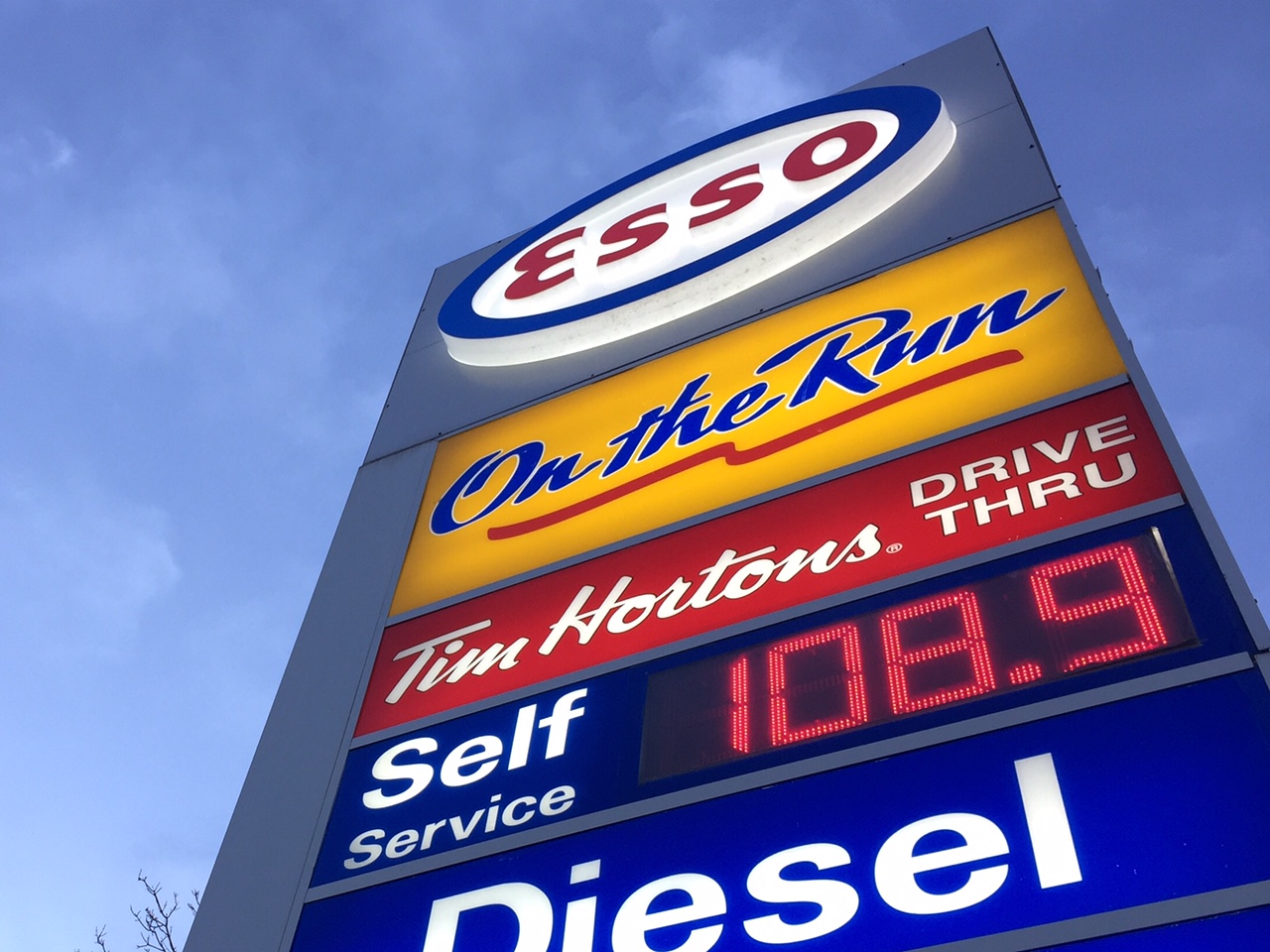
Why are gas prices high in Canada if there is so much oil?
Canada is the world's fourth-largest oil producer, yet Canadians consistently pay more at the pump than their American neighbours. The answer lies in a mix of global pricing, decades-old refinery decisions, missing pipelines, and taxes.
:max_bytes(150000):strip_icc()/GettyImages-157311703-d5072cb293f44aa4a59c274e56fbd963.jpg)
What is Inflation
Why do prices keep rising? Inflation quietly shapes the cost of living, savings, and wages, here’s what every student should understand.